Inheriting a Data Model Nobody Understands: A Practical Guide to Reverse-Engineering Someone Else's Mess

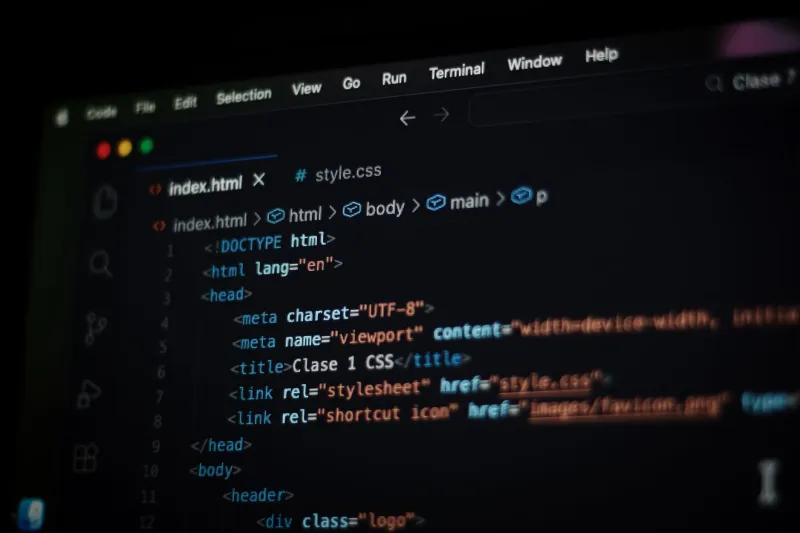
Photo by Photo by Jakub Żerdzicki on Unsplash on Unsplash
There's a rite of passage that almost every data engineer goes through, usually within the first two weeks of a new job. You sit down, ask where the data lives, and someone points you toward a Confluence page last updated in 2019 and a Slack message from a guy who left the company. Welcome to the inherited data model — one of the most common and least-taught challenges in the field.
The dirty secret of data education is that it overwhelmingly focuses on creation. Build a star schema. Design a normalized relational model. Write clean dbt transformations. All useful skills. But when you land in a real engineering role, you're often inheriting a system that somebody else built under pressure, with different priorities, and with zero obligation to explain themselves. The ability to reverse-engineer that system — to read it like a detective reads a crime scene — is arguably more valuable than knowing how to build a perfect schema from scratch.
Let's talk about how to actually do it.
Start With the Data, Not the Docs
Counterintuitive as it sounds, resist the urge to start with whatever documentation exists. Docs lie — not intentionally, but they drift. A table called user_events_final_v3 probably doesn't reflect what's actually in it anymore. Instead, go straight to the source.
Run basic profiling queries first. Count nulls. Check cardinality on columns that should be unique identifiers. Look at the distribution of values in fields that seem categorical. Tools like dbt-utils or even a simple Python script using pandas' .describe() method can surface anomalies in minutes that would take hours to find by reading stale documentation.
One senior engineer at a fintech startup described inheriting a payments pipeline where a column called transaction_status had 14 distinct values — none of which matched the four statuses documented in the wiki. Those extra values weren't bugs, it turned out. They were legacy codes from an acquisition three years prior that nobody had cleaned up. The data told that story. The docs didn't.
Build a Dependency Map Before You Touch Anything
Before you make a single change, understand what depends on what. This sounds obvious, but it's where a lot of engineers get burned. They fix a broken transformation upstream and accidentally break five downstream reports that were quietly compensating for the original error.
If your team uses dbt, the lineage graph is your best friend here. If you're working with raw SQL pipelines or a more ad-hoc setup, tools like SQLFluff can help parse queries, and open-source lineage trackers like OpenLineage can map data flows across systems. Even a hand-drawn dependency diagram on a whiteboard is better than nothing.
Mark which nodes are actively queried by dashboards or downstream applications. Those are your landmines. Understand them completely before you get anywhere near them.
Interview the People, Not Just the System
Data models encode decisions, and decisions come from people. Somewhere in your organization — or maybe just barely still reachable on LinkedIn — are the humans who made the calls that shaped what you're looking at.
Develop a short set of questions that help extract institutional knowledge without making people feel interrogated. Things like: "What problem was this table originally solving?" or "Is there anything in here that you always mentally adjust for when you pull numbers?" That last one is gold. When a business analyst tells you they always multiply a certain metric by 0.97 because of a known duplication issue, you've just learned something that isn't written down anywhere.
A data architect at a logistics company shared that when she joined her team, she scheduled 30-minute "data history" calls with five people across the org. Not to ask them to fix anything — just to listen. She learned that an entire dimension table had been imported from a spreadsheet maintained by one person who had retired, and that the refresh process was someone manually uploading a file every Monday morning. That single conversation saved her weeks of confusion.
Create an "Anomaly Log" as You Go
As you probe the model, keep a running log of everything that seems off. Don't try to fix things as you find them — that's how you introduce new problems into an already fragile system. Just document. Note the table name, the column, what you observed, and your hypothesis about why.
This log serves two purposes. First, it gives you a structured record to share with your team, which builds trust and shows your work. Second, it forces you to distinguish between things that are broken and things that are weird but intentional. That distinction matters enormously. A lot of inherited data models look wrong but are actually working exactly as designed — just for a use case that nobody explained to you.
Write the Docs the Previous Team Never Did
Once you've got a working mental model of the system, write it down. Not in some aspirational wiki that nobody will maintain — write it as close to the code as possible. If you're using dbt, put descriptions directly in your schema.yml files. If you're working with raw SQL, add comment blocks at the top of each major transformation explaining what it does and, crucially, why.
The "why" is what most documentation skips. It's easy to describe what a table contains. It's harder — and more valuable — to explain why a particular join condition was written the way it was, or why certain records are excluded. Future engineers (including future you) need that context.
Some teams have started using lightweight Architecture Decision Records (ADRs) for data modeling choices. It's a practice borrowed from software engineering, and it works surprisingly well. A short markdown file that says "we denormalized this table in 2023 because query performance was unacceptable at scale" is worth more than a perfectly formatted ER diagram with no context.
The Bigger Picture: Why This Skill Gets Undervalued
There's a cultural bias in tech toward greenfield work. Building new things feels more impressive on a resume than fixing old ones. But the data teams that actually move fast are often the ones with the strongest reverse-engineering skills — because they're not constantly rebuilding from scratch every time they inherit something messy.
Open source communities figured this out a while ago. Contributing to an existing project requires you to read unfamiliar code, understand undocumented decisions, and improve something without breaking it. Those are the same skills that make someone genuinely useful on a data team.
If you're early in your career, don't just practice building models — practice inheriting them. Find open datasets with messy schemas. Volunteer to document a legacy table at work. Treat every confusing column name as a puzzle worth solving.
The engineers who can walk into chaos and make sense of it are rare. That's exactly why they're valuable.